
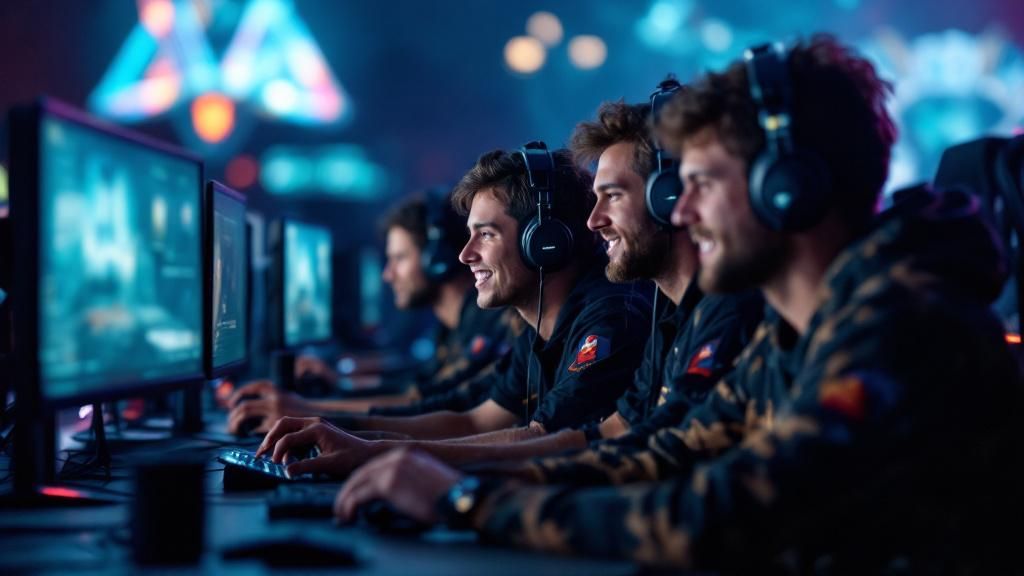
In an increasingly interconnected world, gaming on mobile devices has gone beyond simple entertainment to become a powerful catalyst for genuine human connection. Tournament competition across gaming platforms like PUBG Mobile and Call of Duty: Mobile has fostered flourishing worldwide communities where gamers build lasting friendships whilst battling for supremacy. This article examines how competitive gaming tournaments bring people together across continents, examining the psychological bonds created by common interest, team-based cooperation, and the common ground of competitive play that transforms casual gamers into enduring friends.
The Rise of Mobile Gaming Groups
The widespread growth of smartphones and better internet connectivity has transformed the gaming landscape, permitting millions of players worldwide to take part in competitive multiplayer experiences from nearly anywhere. What started as simple casual gaming has grown into a sophisticated ecosystem of coordinated groups, professional tournaments, and specialised platforms. Mobile gaming communities have increased significantly, with titles such as PUBG Mobile, Clash Royale, and Call of Duty: Mobile drawing hundreds of millions of active players. This extraordinary growth has generated unparalleled opportunities for social interaction and competitive play on a global scale.
These rapidly expanding communities have significantly transformed how gamers connect and develop relationships. Rather than isolated experiences, mobile gaming now facilitates collaborative networks where players from different geographical and cultural backgrounds come together over shared interests. Competitive formats, ranking boards, and tiered progression have established formal play, creating defined pathways for improvement and acknowledgement. The availability of mobile devices has made competitive gaming more accessible gaming, removing traditional barriers to entry and enabling talented individuals to display their abilities internationally. Consequently, relationships formed within these communities often extend beyond the online world, becoming genuine real-world friendships.
Establishing Enduring Friendships Through Competitive Activities
Competitive tournament play acts as a remarkable catalyst for forging authentic connections amongst mobile gamers globally. When players face off with one another in formal tournament events, they experience shared triumphs and defeats that forge profound emotional connections. These experiences surpass physical borders, allowing individuals from different cultural backgrounds to understand each other fundamentally. The intensity of competitive play cultivates mutual respect and understanding between participants, transforming initial acquaintances into trusted teammates and lifelong companions who mark triumphs as one and support one another through challenges.
The cooperative nature of squad competitions amplifies relationship building exponentially. Players must communicate effectively, work out tactics as a group, and trust in each other’s skills and expertise. This shared dependence builds trust and camaraderie that goes far past individual matches. Squad members create shared humour, shared memories, and community connection within their gaming circles. The frequent engagement required for event planning reinforces these relationships progressively, establishing friendship groups that deliver psychological backing, gaming friendship, and real connection that many participants cherish just as much as their offline relationships.
Tournament successes and setbacks alike add substantially to friendship formation. Marking accomplishments collectively strengthens team unity, whilst handling setbacks jointly fosters durability and compassion. Players learn to appreciate one another’s abilities, adjust to shortcomings, and collaborate effectively towards shared goals. These collective moments create an indelible foundation for lasting friendships that frequently thrive across various games and extend into general life relationships, demonstrating the remarkable power of competition to bring people together genuinely.
Worldwide Tournament Structures and Competitive Gaming
The structure of competitive mobile gaming has transformed significantly over the previous decade, creating advanced structural systems that support competition on an extraordinary international scope. Major esports organisations and game developers have invested substantially in establishing formalised league structures, area-based qualifying rounds, and global competitive events that support vast numbers of competitors worldwide. These competitive events function across multiple tiers, from local amateur events to officially recognised competitions providing substantial prize pools. The consistent rule sets guarantee equitable play whilst permitting competitors across different regions to test themselves against each other, building a feeling of community within the wider gaming community and demonstrating that skill transcends geographical and cultural boundaries.
Tournament competition formats have become crucial in creating clear progression pathways for would-be professional players and informal participants alike. Ranked seasons, ranking ladders, and performance-driven progression systems encourage continuous engagement and individual development amongst participants. The transparent nature of tournament competition—where gameplay statistics are shown to everyone and achievements are universally recognised—creates an environment of merit-based recognition that appeals to competitors seeking acknowledgement and status. Furthermore, the incorporation of live streaming platforms and spectator modes has transformed competitive mobile gaming events into shared experiences, enabling millions of observers to watch exciting competitions whilst at the same time reinforcing the bonds between players and fans who rejoice in wins and commiserate defeats together.
The Community Effects of Organised Gaming Events
Organised gaming events have significantly changed how players perceive competition and community engagement. These organised competitions serve as catalysts for authentic connection, transcending geographical boundaries and cultural differences. When competitors engage on a global stage, they experience a collective feeling of direction that strengthens interpersonal bonds. The organised framework of structured competitions creates chances for players to showcase their skills whilst simultaneously building respect amongst peers. This setting fosters genuine friendships that often extend beyond the esports environment into everyday life, demonstrating that organised tournaments serve as meaningful relationship builders in the modern era.
The ripple effects of these competitive tournaments permeate broader societies, motivating emerging talent and fostering exemplars within the professional gaming environment. Professional tournaments streamed globally show that gaming carries authentic social importance, motivating competitors to commit meaningfully in their peer groups. Players regularly indicate that competitive involvement has improved their self-assurance and collaborative competence with diverse individuals. Moreover, the financial backing and journalistic focus attending significant tournaments affirm gaming as a genuine community pursuit, encouraging families and friends to back professional competitors. This acknowledgement reshapes isolated gaming experiences into revered social events that deepen connections globally.
